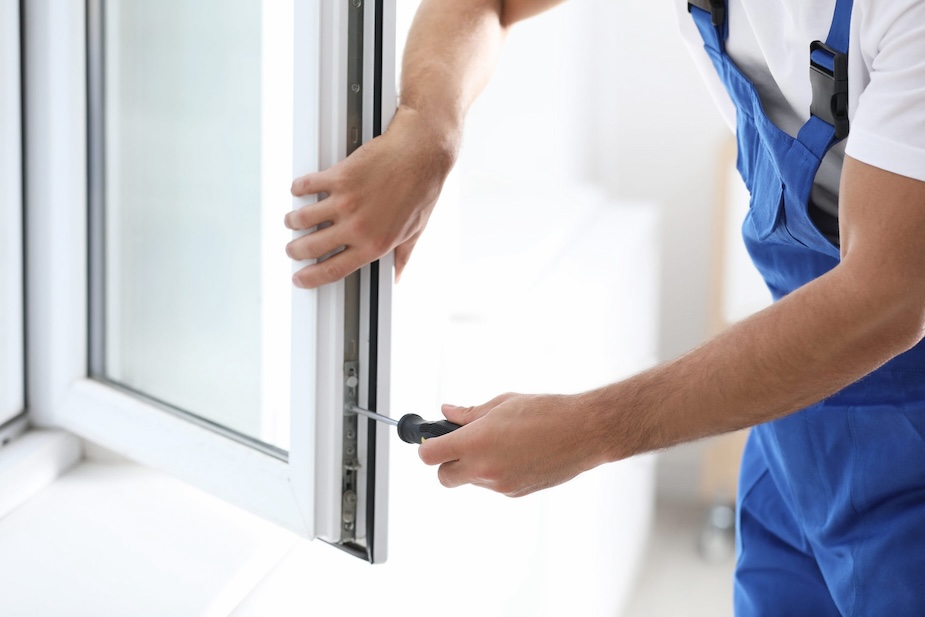
Understanding and Fixing a Broken Window Lock: A Comprehensive Guide
Windows are not simply openings in a wall; they are important elements of a home's security and energy performance. A damaged window lock can jeopardize both, making it vital to deal with the problem immediately. This article explores the causes, signs, and options for a broken window lock, supplying a comprehensive guide for homeowners and DIY lovers.
Introduction to Window Locks
Window locks are mechanisms designed to secure windows in a closed position, avoiding unauthorized access and improving energy performance. repairmywindowsanddoors.co.uk are available in numerous types, consisting of slide locks, web cam locks, and multi-point locks. Each type serves a specific purpose and is suitable for different window designs, such as single-hung, double-hung, sash, and moving windows.
Common Causes of a Broken Window Lock
- Wear and Tear: Over time, the constant usage of a window lock can result in wear and tear. This is especially true for older windows where the systems might have degraded due to direct exposure to the elements.
- Deterioration: Moisture and humidity can cause metal parts of the lock to rust, resulting in stiffness and eventual failure.
- Damage: Accidental damage, such as a strong impact or inappropriate handling, can break the lock or its elements.
- Production Defects: In some cases, a lock might be faulty from the start, causing early failure.
- Dirt and Debris: Accumulation of dirt, dust, and other particles can hinder the lock's operation, causing it to stick or stop working.
Symptoms of a Broken Window Lock
- Inability to Lock: The most apparent symptom is the inability to lock the window. This can be due to a jammed system, damaged parts, or misalignment.
- Sticking or Binding: If the lock feels stiff or requires extreme force to run, it may be binding or stuck.
- Loose or Wobbly Handle: A loose or unsteady deal with can indicate that the lock mechanism is not firmly attached to the window frame.
- Noticeable Damage: Cracks, dents, or other visible damage to the lock or surrounding area can be a clear sign of an issue.
- Irregular Operation: If the lock works in some cases but not others, it might be periodically failing due to a loose part or particles.
Steps to Fix a Broken Window Lock
Identify the Problem
- Visual Inspection: Examine the lock and surrounding area for any noticeable damage or debris.
- Operational Test: Try to lock and open the window to figure out the nature of the problem.
Tidy the Lock
- Remove Debris: Use a soft brush or compressed air to eliminate any dirt or particles from the lock mechanism.
- Oil: Apply a lubricant, such as silicone spray or graphite powder, to the moving parts to minimize friction and enhance operation.
Change the Lock
- Examine Alignment: Ensure that the lock and strike plate are properly lined up. Misalignment can trigger the lock to bind or stop working to engage.
- Tighten up Screws: If the deal with is loose, tighten up the screws securing it to the window frame. This can frequently deal with small issues.
Replace the Lock
- Get Rid Of the Old Lock: If the lock is beyond repair, thoroughly remove it from the window frame. This might include loosening it or prying it out.
- Install the New Lock: Follow the manufacturer's instructions to install the brand-new lock. Make sure that it is firmly secured and aligned correctly.
Check the New Lock
- Run the Lock: Test the new lock by locking and opening the window several times to ensure it operates efficiently.
- Check Security: Verify that the window is securely locked which there are no gaps or weaknesses.
Frequently asked questions
Q: Can I fix a damaged window lock myself?A: Yes, lots of issues with window locks can be resolved with standard DIY abilities. However, if the issue is intricate or you are not sure, it might be best to seek advice from a professional.
Q: How typically should I lubricate my window lock?A: It is advised to oil the lock as soon as or two times a year, especially if it is exposed to extreme weather condition conditions. Regular upkeep can extend the life of the lock and avoid problems.
Q: What kind of lubricant should I use for a window lock?A: Silicone spray or graphite powder are excellent choices for window locks. They provide a thin, non-sticky layer that reduces friction without bring in dirt.
Q: Can a broken window lock impact my home's energy effectiveness?A: Yes, a damaged window lock can allow air to leakage around the window, decreasing energy efficiency. Appropriately secured windows assist preserve a constant indoor temperature level and reduce energy expenses.
Q: What should I do if the lock is rusted?A: Use a wire brush or steel wool to remove rust from the lock. Apply a rust inhibitor and lubricant to prevent future corrosion.
A broken window lock is a common issue that can jeopardize the security and energy efficiency of your home. By understanding the causes, signs, and options, you can efficiently address the problem and guarantee your windows are safe and practical. Regular upkeep and prompt repairs can assist avoid more serious concerns and extend the life of your windows. If you come across an especially tough issue, don't hesitate to look for expert assistance.